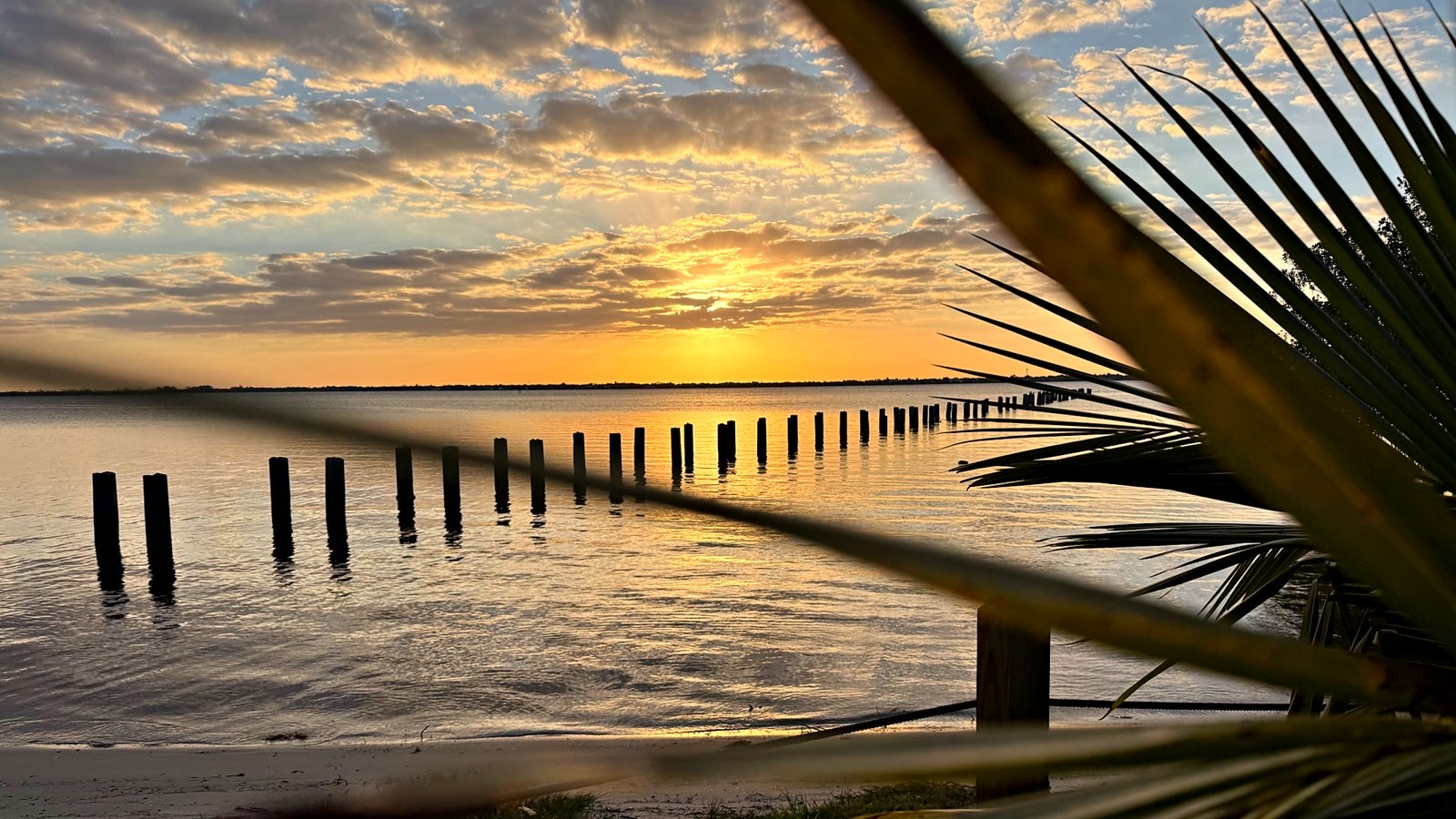
Photo: Bill McDowell
In Praise of the Forgotten Coast
Florida has a way of getting remade. A stretch of quiet coast becomes a destination, the destination becomes a development, and the thing that drew people there in the first place gets paved over in the rush to reach it.
And then there is the Forgotten Coast.
The name is half marketing and half truth, and it covers the curve of the Florida Panhandle where the peninsula bends west toward the Gulf. The high-rises thin out and then disappear. The beaches run wide and white and, for long stretches, empty. The pace drops to something closer to how the whole coast must have felt a half-century ago. The pleasure of the place is in its particular stops, so it is worth naming a few.
Start in Apalachicola, the old oyster town, where brick storefronts from the 1800s line the streets and shrimp boats still tie up along the working waterfront on Water Street. Spend a morning wandering the downtown, then cross the bridge to Eastpoint, the unglamorous, essential town on the bay where the seafood houses do their work. From there the causeway carries you out to St. George Island, a slender barrier some twenty-eight miles long that stands between the open Gulf and Apalachicola Bay. Drive to the island’s eastern end and you reach St. George Island State Park, miles of protected dunes and beach with almost nothing built on them. Sea oats lean in the wind. The water shades from green to deep blue.
Keep going and the coast keeps rewarding you. At Indian Pass, a no-frills raw bar in a converted general store serves oysters at a counter where you fetch your own drinks from the cooler. Out on Cape San Blas, a long hook of sand near Port St. Joe, the beaches face west, which makes for sunsets that draw people down to the waterline without a crowd to compete with. None of these places performs for visitors. They simply are what they are, and that is the appeal.
The other truth about this coast is that it works for a living. The bays here have fed families for generations: oysters, shrimp, fish pulled from waters that the people who work them know intimately. To spend time on the Forgotten Coast is to be reminded that a coastline can be both a place of leisure and a place of labor, and that the two have always been braided together here. The shrimp boat leaving the dock at dawn is not scenery arranged for tourists. It is someone’s living, and it has been for a long time.
Restraint is what this coast offers above all, a coastline that has resisted the temptation to become something louder and more profitable and has kept its character as the reward. You come here to slow down. To eat oysters at Indian Pass with your feet on a plank floor. To watch the sun drop over the Gulf from Cape San Blas. To sit on the dock at Apalachicola and watch the boats come in.
It will not stay this quiet forever, because few good places do. So go while the going is good, take the back roads, and stop at the small places. The Forgotten Coast rewards anyone willing to slow down enough to find it.