Photo: FranklinCityWatcher / Wikimedia Commons (CC BY-SA 4.0)
25 Southern Towns That Remind Us Why We Love the South
The South can be difficult to explain to someone who has never experienced it.
It is found in places, but it is also found in people. It exists in conversations that begin with a simple greeting and somehow stretch for twenty minutes. It appears in historic downtowns that still serve as gathering places, in church suppers and local festivals, and in communities where generations of families have built lives together.
While many parts of America have grown increasingly similar, there are still towns across the South that hold tight to a sense of identity. Their stories are tied to rivers, bays, mountains, farms, and coastlines. Their traditions remain visible. Their residents continue to take pride in where they live.
Some are waterfront communities where shrimp boats still leave before sunrise. Others sit in the foothills of the Appalachians or among the rolling countryside of Kentucky and Tennessee. What connects them is a spirit that feels distinctly Southern.
The twenty-five towns gathered here are not ranked, and they are not the largest or most famous places in the region. They are simply communities that remind us why so many people continue to fall in love with the South. We have grouped them by the landscapes that shaped them — the coast, the mountains, the rivers — because the South has never been one place, but many.
The Gulf Coast
Working waterfronts, oyster bays, and the slower rhythm of old Florida and the central Gulf.
Apalachicola, Florida
At first glance, Apalachicola seems almost out of step with modern Florida. There are no towering beachfront condominiums. Traffic lights are few. Historic brick buildings line downtown streets, and the waterfront remains a working part of daily life rather than simply a backdrop for visitors.
Located along Florida’s Forgotten Coast, Apalachicola grew through fishing, shipping, and oysters. Although the local economy has evolved, the town still feels connected to its maritime roots. Fishing boats occupy the harbor, seafood remains central to local culture, and many conversations around town eventually find their way back to the water.
The downtown district is among the most charming in the state. Independent bookstores, art galleries, restaurants, and historic inns occupy buildings that have stood for generations. You can spend an afternoon wandering the streets before settling into a waterfront restaurant to watch the sun sink toward Apalachicola Bay.
What makes Apalachicola memorable is not simply its beauty. It is the feeling that the town has remained true to itself while much of coastal Florida has changed around it.
Don't miss A dozen fresh-shucked oysters on the bay, and a stroll through the historic downtown district. Read our full guide to Apalachicola.
Cedar Key, Florida
In a state known for growth and development, Cedar Key feels wonderfully resistant to both.
Located on Florida’s Gulf Coast about fifty miles southwest of Gainesville, this small island community operates at its own pace. Golf carts are common. Traffic is minimal. The waterfront remains central to local life, and sunsets routinely draw residents and visitors to the shoreline.
Fishing and aquaculture have shaped Cedar Key for generations. The town is known for its clam farming, and seafood remains a defining part of the local culture. Waterfront restaurants serve fresh catches alongside views across the Gulf that seem to stretch forever.
The historic downtown reflects the community’s independent spirit. Art galleries, local shops, and family-owned businesses occupy buildings that have weathered storms, economic changes, and decades of Florida’s transformation.
Part of Cedar Key’s appeal comes from what it lacks. There are no high-rise condominiums and no crowded commercial districts. Instead, visitors find a community that remains connected to its history and surroundings — a glimpse of coastal Florida before much of the coastline changed forever.
Don't miss Fresh local clams at a waterfront table, and sunset over the Gulf from the city dock.
Fairhope, Alabama
Perched above the eastern shore of Mobile Bay, Fairhope is one of those towns that consistently exceeds expectations. Its downtown is attractive, walkable, and filled with local businesses, but what truly distinguishes Fairhope is its atmosphere.
Residents seem deeply invested in the community. Flower beds are carefully maintained. Public spaces are well used. Local events draw enthusiastic crowds. There is a sense that people genuinely enjoy living here.
Many Southern towns are beautiful. Fairhope manages to be beautiful while also feeling deeply personal.
The Fairhope Municipal Pier is one of the town’s defining landmarks, where visitors gather to fish, stroll, and watch sunsets over Mobile Bay. Downtown balances sophistication and accessibility, with independent bookstores, art galleries, cafés, and restaurants that feel welcoming rather than exclusive.
Don't miss Sunset from the Fairhope Municipal Pier, and an afternoon among the downtown galleries.
Ocean Springs, Mississippi
Along Mississippi’s Gulf Coast, Ocean Springs has built a reputation as one of the South’s most vibrant small towns. While neighboring communities are often known for casinos or large tourism developments, Ocean Springs has carved out an identity centered on art, culture, and community.
The heart of the town is Washington Avenue, a walkable corridor lined with galleries, restaurants, boutiques, and cafés. Local artists have helped shape the character of the community for decades, creating an atmosphere that feels both creative and distinctly Southern.
Despite its artistic reputation, Ocean Springs never loses sight of its coastal roots. The Gulf remains a constant presence, influencing everything from the local cuisine to the pace of life. Public events, festivals, and outdoor gatherings bring residents together throughout the year.
The result is a town that feels energetic without becoming overwhelming, and sophisticated without losing its small-town charm.
Don't miss The Walter Anderson Museum of Art, and the galleries along Washington Avenue.
Seaside, Florida
Along Florida’s Emerald Coast sits a community that has influenced town planning and design far beyond its modest size.
Seaside was developed around a simple but powerful idea: people should be able to walk to shops, restaurants, parks, and public spaces rather than rely entirely on automobiles. The result is a community that feels connected, vibrant, and distinctly human in scale.
Colorful cottages, white picket fences, and carefully designed public spaces have made Seaside one of the most recognizable towns in the South. Visitors are drawn by the architecture, but many leave talking about the atmosphere. Streets fill with pedestrians and cyclists. Families gather in parks and town squares. The beach remains accessible and central to community life.
Seaside’s influence extends well beyond Florida; urban planners around the world have studied it as an example of thoughtful design. Yet despite its fame, the town remains surprisingly inviting, encouraging visitors to slow down, walk a little farther, and spend more time appreciating their surroundings.
Don't miss The open-air markets and the iconic Seaside amphitheater, and a walk among the pastel cottages.
The Atlantic Coast & Lowcountry
Live oaks, tidal marshes, and historic ports where the water still sets the pace.
Fernandina Beach, Florida
Situated on Amelia Island near Florida’s northern border, Fernandina Beach offers a fascinating blend of Southern history and coastal charm. Unlike many beach destinations that focus almost exclusively on tourism, it remains a working community with deep roots.
Historic Centre Street forms the heart of downtown. Restaurants, shops, and galleries occupy beautifully preserved buildings that reflect the town’s long maritime history. You can spend hours exploring the area without feeling rushed.
The waterfront remains an important part of local life. Shrimp boats continue to operate from the harbor, connecting today’s community to generations of fishermen who helped shape the town’s identity. Nearby beaches provide miles of shoreline without the crowds of Florida’s better-known coastal destinations.
Fernandina Beach succeeds because it balances history, natural beauty, and community in equal measure.
Don't miss Fort Clinch State Park, and a sunset over the Amelia River.
St. Simons Island, Georgia
St. Simons Island offers a version of coastal Southern life that feels both timeless and welcoming. Located along Georgia’s Golden Isles, the island combines natural beauty, maritime history, and a relaxed atmosphere that has drawn generations of visitors.
The village near the pier serves as the island’s gathering place. Restaurants, boutiques, and local businesses overlook the waterfront, while anglers cast lines into St. Simons Sound and visitors stroll beneath towering live oaks. The pace is slower than many beach destinations, allowing people to settle into island life rather than simply pass through it.
History is woven throughout the landscape. The St. Simons Lighthouse stands as one of the island’s most recognizable landmarks, and the famous oak-lined roads and moss-draped canopies create scenes that have become synonymous with the Georgia coast. Yet the island never feels like a museum. Families ride bicycles through neighborhoods, children play on the beaches, and local traditions continue to shape the community.
Don't miss The St. Simons Lighthouse, and the live oaks of Christ Church, Frederica.
Beaufort, South Carolina
Beaufort possesses the kind of beauty that seems almost effortless. Live oaks draped in Spanish moss shade quiet streets lined with historic homes. The waterfront park offers sweeping views of the Beaufort River, while sailboats and shrimp boats move slowly through the tidal waters of the Lowcountry.
Founded in 1711, Beaufort is one of the oldest communities in South Carolina. Its history is visible throughout the city, from preserved antebellum homes to churches and public buildings that have witnessed centuries of change. Yet Beaufort is far more than a historic destination. Downtown remains vibrant, filled with locally owned restaurants, boutiques, galleries, and gathering places.
The surrounding Lowcountry contributes greatly to Beaufort’s appeal. Marshes stretch toward the horizon. Barrier islands lie nearby. Water influences nearly every aspect of life.
Visitors often arrive expecting a beautiful coastal town. They leave remembering the people, the pace, and the sense of place that make Beaufort uniquely Southern.
Don't miss The Henry C. Chambers Waterfront Park, and a walk through the historic district’s oak-lined streets.
Georgetown, South Carolina
Charleston often receives most of the attention along South Carolina’s coast, but Georgetown offers many of the same qualities on a smaller and more intimate scale.
Situated between Charleston and Myrtle Beach, Georgetown is one of the oldest communities in the state, its history deeply connected to the rivers, marshes, and plantations that shaped much of the Lowcountry. Today, visitors find a waterfront town that embraces its heritage while keeping a relaxed and approachable atmosphere.
The Harborwalk serves as the centerpiece of downtown. Stretching along the waterfront, it offers views of boats moving through Winyah Bay and connects visitors to restaurants, shops, and historic sites. The surrounding streets feature beautifully preserved buildings that reflect centuries of coastal history.
What distinguishes Georgetown is its authenticity. It has not been transformed into a large-scale tourism destination. Instead, it remains a working waterfront community where history and daily life continue to intersect. Visitors looking for a quieter version of the South Carolina coast often discover that Georgetown provides exactly what they hoped to find.
Don't miss The Harborwalk along Winyah Bay, and a boat tour into the surrounding marshes.
The Mountains
Blue Ridge overlooks, trout streams, and downtown squares tucked into the high country.
Blue Ridge, Georgia
Tucked into the North Georgia mountains, Blue Ridge has become one of the South’s most popular mountain destinations. Despite that popularity, the town has preserved much of the character that made people fall in love with it in the first place.
The downtown district is the heart of the community. Historic buildings house locally owned restaurants, galleries, breweries, and shops. Visitors can spend an afternoon wandering the streets before settling into a café or outdoor patio to enjoy the slower pace of mountain life.
What makes Blue Ridge particularly appealing is its relationship with the surrounding landscape. The mountains are never far away. Scenic overlooks, hiking trails, waterfalls, and trout streams provide endless opportunities to explore. Unlike some destinations that feel designed primarily for tourists, Blue Ridge continues to function as a genuine community, where families gather downtown and traditions remain part of daily life.
Don't miss The Blue Ridge Scenic Railway, and a morning on a nearby trout stream.
Dahlonega, Georgia
Long before California’s famous Gold Rush, prospectors flocked to the hills of North Georgia in search of opportunity. Their legacy helped shape Dahlonega, a town whose history remains visible throughout its charming downtown square.
Today, Dahlonega is known as one of the South’s most appealing mountain towns. Historic buildings surround the central square, housing restaurants, shops, tasting rooms, and local businesses. The community serves as both a gateway to the North Georgia mountains and a destination in its own right.
The surrounding countryside has become one of the South’s most respected wine regions. Vineyards and wineries dot the rolling hills, while hiking trails, waterfalls, and scenic drives provide additional reasons to explore. Despite its popularity, Dahlonega has retained much of its small-town character, with community events filling the calendar and local traditions remaining strong.
Don't miss The historic gold-rush square, and a tasting at one of the North Georgia wineries.
Blowing Rock, North Carolina
Perched high in North Carolina’s Blue Ridge Mountains, Blowing Rock has drawn visitors for generations. The combination of mountain scenery, mild summer temperatures, and a charming downtown has made it one of the South’s most beloved mountain destinations.
The village feels tailor-made for leisurely exploration. Flower-lined sidewalks connect boutiques, cafés, galleries, and locally owned restaurants. Visitors can spend hours wandering the streets while taking in views of the surrounding mountains.
The town’s namesake attraction, The Blowing Rock, has inspired legends for centuries and offers breathtaking views of the rugged landscape below. Nearby sections of the Blue Ridge Parkway provide access to some of the most scenic drives in America. Despite its popularity, Blowing Rock maintains an atmosphere that feels welcoming rather than commercial, with families returning year after year.
Don't miss The Blowing Rock overlook, and a drive along the nearby Blue Ridge Parkway.
Hendersonville, North Carolina
Nestled in the mountains south of Asheville, Hendersonville offers many of the qualities that have made western North Carolina famous while keeping a distinct identity of its own.
The town’s Main Street is one of the most inviting in the region. Historic buildings house bookstores, bakeries, restaurants, and shops that encourage visitors to slow down and explore. Seasonal decorations and community events create a sense of warmth that extends throughout the year.
Agriculture remains an important part of the area’s identity. Henderson County is known for its apple orchards, and the annual apple festival draws visitors from across the Southeast. The surrounding countryside offers scenic drives through rolling hills, vineyards, and mountain landscapes, while nearby waterfalls and trails make outdoor recreation easy to find.
Don't miss The apple orchards in late summer, and a stroll down historic Main Street.
Abingdon, Virginia
Nestled in the mountains of southwest Virginia, Abingdon offers a combination of history, culture, and natural beauty that is difficult to match.
The town’s origins stretch back to the eighteenth century, and its historic district remains one of the most impressive in the region. Tree-lined streets, preserved buildings, and welcoming public spaces encourage visitors to slow down and explore.
Abingdon is perhaps best known for the Barter Theatre, one of the nation’s longest-running professional theaters. The arts continue to play an important role in community life, contributing to a cultural scene that feels surprisingly robust for a town of its size. Outdoor recreation is never far away, either: the Virginia Creeper Trail draws cyclists and hikers from across the country.
What distinguishes Abingdon is its balance. It feels historic without becoming overly nostalgic, supports the arts without feeling exclusive, and welcomes visitors while remaining deeply connected to local traditions.
Don't miss A performance at the Barter Theatre, and a ride along the Virginia Creeper Trail.
River Cities & the Heartland
Courthouse squares, literary streets, and river towns shaped by deep history.
Oxford, Mississippi
Few towns demonstrate the connection between culture and community more clearly than Oxford.
Home to the University of Mississippi, Oxford has long served as a center of literature, education, and Southern storytelling. Writers, artists, professors, students, and entrepreneurs have all contributed to a town that feels intellectually vibrant while remaining deeply rooted in Southern traditions.
The historic square forms the heart of the community. Independent bookstores, restaurants, boutiques, and gathering places surround the courthouse, creating one of the most recognizable downtown districts in the South. It is a place where conversations unfold slowly and where visitors often find themselves lingering longer than planned.
Literary history is impossible to ignore. The influence of William Faulkner remains visible throughout Oxford, and the town continues to attract writers and readers from around the world. Yet Oxford is not defined solely by its past; the energy of the university ensures a constant flow of new ideas. It feels sophisticated without being pretentious, historic without feeling stagnant.
Don't miss Square Books on the courthouse square, and a visit to Faulkner’s home, Rowan Oak.
Natchez, Mississippi
Overlooking the Mississippi River, Natchez possesses one of the richest historical legacies in the South.
Founded in the early eighteenth century, Natchez predates the United States and has witnessed nearly every chapter of Southern history. Grand homes, historic churches, and preserved neighborhoods provide reminders of the wealth and influence that once flowed through this river city.
The Mississippi River remains central to Natchez’s identity. Visitors can stand along the bluffs overlooking the water and watch barges move along one of America’s most important transportation corridors. Few places offer a stronger connection to the history of the river and its impact on the development of the South.
What surprises many first-time visitors is how approachable Natchez feels. Despite its extraordinary history, the town remains warm, friendly, and accessible. Residents take pride in sharing their community and its stories with newcomers.
Don't miss The bluffs above the Mississippi at sunset, and a tour of the town’s historic homes.
Natchitoches, Louisiana
Pronounced “NACK-a-tish,” Natchitoches is one of those places that leaves a lasting impression long after a visit ends.
Founded in 1714, it is the oldest permanent settlement in Louisiana and one of the oldest communities in the entire Louisiana Purchase. History is visible throughout the town, particularly along the brick streets and historic buildings that border Cane River Lake.
The downtown riverfront district serves as the centerpiece of community life. Restaurants, shops, and historic sites line the waterfront, creating a setting that feels both picturesque and authentic. Visitors often find themselves slowing down, lingering over meals, and enjoying conversations with local residents.
Natchitoches is perhaps best known nationally as the filming location for Steel Magnolias. While that connection draws visitors, the town’s appeal extends far beyond Hollywood. Historic plantations, Creole heritage, and centuries of cultural influences have created a character unlike anywhere else in the South.
Don't miss A meat pie downtown, and a walk along the Cane River Lake brick streets.
Covington, Louisiana
Situated north of Lake Pontchartrain, Covington offers a different perspective on Louisiana life than many visitors expect.
While New Orleans receives most of the attention, Covington demonstrates the appeal of the state’s smaller communities. Tree-lined streets, historic homes, and a thriving downtown create an environment that feels relaxed and welcoming.
The downtown district reflects the town’s strong commitment to local business and community life. Restaurants, art galleries, coffee shops, and specialty retailers occupy historic buildings that have been carefully preserved and adapted for modern use. The surrounding landscape — rivers, forests, and nature preserves — adds opportunities for outdoor recreation, while nearby farms keep the region connected to its agricultural roots.
Covington has grown over the years, but it has largely managed that growth while preserving the qualities residents value most. Visitors often discover a quieter, more intimate side of Louisiana that deserves far more attention than it receives.
Don't miss The Tammany Trace trail, and the galleries and cafés of downtown Covington.
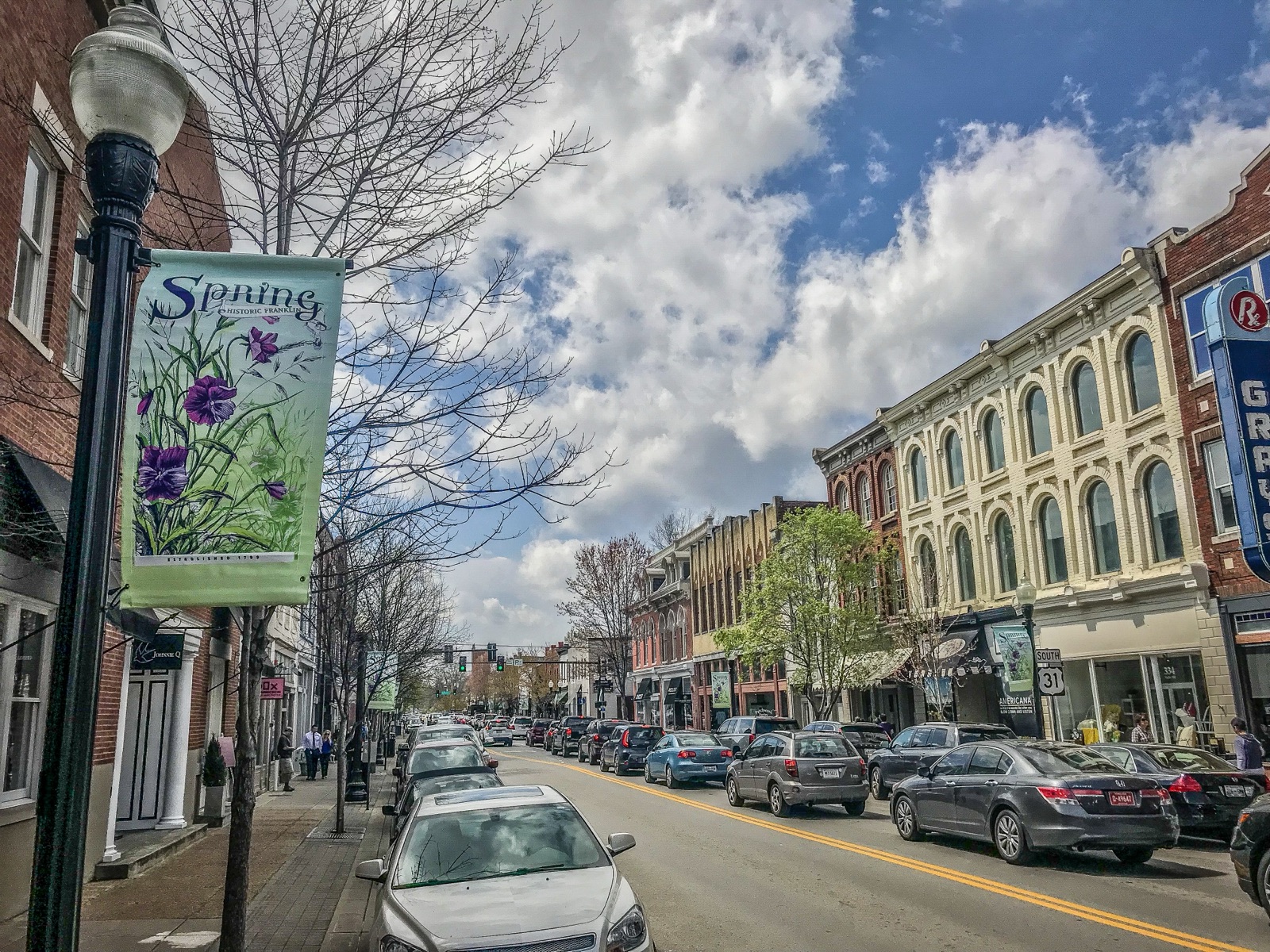
Franklin, Tennessee
Only a short drive from Nashville, Franklin could easily have become another rapidly growing suburb. Instead, it has worked hard to preserve the historic character and local identity that make it one of Tennessee’s most beloved towns.
The heart of Franklin is its downtown square. Historic buildings house restaurants, shops, galleries, and businesses that attract both residents and visitors. The area remains active throughout the year and serves as a gathering place for community events and celebrations.
History runs deep here. Civil War sites, historic homes, and preserved neighborhoods provide important reminders of the town’s past. At the same time, Franklin embraces growth in ways that support rather than overwhelm its character. The result is a community that feels both historic and contemporary, where families, retirees, entrepreneurs, and artists all seem to find a place.
Don't miss The historic Main Street downtown, and the preserved Civil War sites nearby.
Bardstown, Kentucky
Few towns capture the spirit of Kentucky more completely than Bardstown.
Often called the Bourbon Capital of the World, Bardstown sits amid the rolling hills and farmland that have helped define the state’s identity for generations. Distilleries attract visitors from around the globe, but bourbon is only part of the story.
The historic downtown is one of the most attractive in the South. Brick sidewalks, beautifully preserved buildings, and locally owned businesses create an atmosphere that feels both welcoming and timeless. Visitors can spend hours exploring shops, restaurants, and historic sites without ever feeling rushed.
Bourbon may bring people to town, but the community itself is what encourages them to stay longer.
History is woven into nearly every corner of Bardstown, yet the town continues to evolve, balancing tourism with the needs of the residents who proudly call it home.
Don't miss A distillery tour along the Bourbon Trail, and the historic downtown square.
Historic Grounds & the Texas South
Founding-era streets, Hill Country vineyards, and towns where heritage runs deep.
Williamsburg, Virginia
Williamsburg occupies a unique place in Southern history. Few towns in America offer a stronger connection to the nation’s founding era. Historic streets, restored buildings, and preserved landmarks let visitors experience a remarkable chapter of American history firsthand.
Yet Williamsburg is more than a living-history destination. Beyond Colonial Williamsburg lies a vibrant community with restaurants, shops, neighborhoods, and cultural institutions that contribute to daily life. Residents are not simply caretakers of history; they are active participants in a community that continues to evolve.
The town’s commitment to preservation has created one of the most recognizable destinations in the South. Visitors can walk streets that existed before the American Revolution and gain a deeper appreciation for the complexities of the past. At the same time, Williamsburg remains approachable and welcoming, with families returning year after year to introduce new generations to experiences they enjoyed as children.
Don't miss The Colonial Williamsburg historic area, and the Governor’s Palace gardens.
Thomasville, Georgia
Few Southern towns have invested more successfully in preserving their historic character than Thomasville.
Located in southwest Georgia near the Florida border, Thomasville combines elegance, hospitality, and community pride in ways that make an immediate impression. The brick-lined downtown is among the most attractive in the region, featuring independent retailers, restaurants, bookstores, and beautifully maintained historic buildings.
Thomasville’s reputation for hospitality stretches back more than a century. Wealthy northerners once traveled here to escape harsh winters, drawn by the mild climate and natural beauty. Many of the grand homes from that era remain today. At the same time, Thomasville feels remarkably accessible — not a community frozen in history, but one where residents support local businesses, gather for festivals, and take pride in a vibrant downtown.
Visitors often arrive expecting a pleasant small town. They leave wondering why more people are not talking about Thomasville.
Don't miss The Big Oak, more than three centuries old, and the rose gardens in bloom.
Mount Dora, Florida
Located among the lakes and rolling hills of central Florida, Mount Dora feels refreshingly different from the state’s better-known destinations.
The town has cultivated a reputation for antiques, festivals, and small-town charm, but its appeal extends far beyond those attractions. Downtown streets are lined with locally owned shops, restaurants, galleries, and cafés that encourage visitors to spend an afternoon exploring without a strict agenda.
Lake Dora serves as both a scenic backdrop and an important part of the community’s identity. Waterfront parks, boat tours, and public gathering spaces provide opportunities to enjoy the natural beauty that surrounds the town. Unlike many communities that rely heavily on large-scale development, Mount Dora has worked hard to preserve the qualities that make it unique — a reminder that some of Florida’s most rewarding destinations are found away from the beaches and theme parks.
Don't miss A lake cruise on Lake Dora, and the antique shops of the historic downtown.
Fredericksburg, Texas
In the heart of Texas Hill Country sits a town that feels unlike anywhere else in the South.
Founded by German immigrants in the nineteenth century, Fredericksburg blends Texas traditions with a cultural heritage that remains visible throughout the community. The result is a destination with a distinctive personality and a strong sense of place.
Main Street is the focal point of the town. Historic buildings house restaurants, wineries, boutiques, bakeries, and local businesses that draw visitors from across the country. The surrounding countryside has become one of America’s premier wine destinations, with rolling hills, vineyards, and scenic drives — and in spring, wildflower season transforms the landscape into a showcase of color.
Despite its popularity, Fredericksburg remains closely connected to its roots. Local festivals celebrate the town’s German heritage, and community traditions continue to play an important role in daily life.
Don't miss The Hill Country wineries along Highway 290, and the National Museum of the Pacific War.
Granbury, Texas
Located southwest of Fort Worth, Granbury combines lakeside beauty with one of the most impressive historic squares in Texas.
The downtown district is the community’s centerpiece. Restored nineteenth-century buildings surround the courthouse square, creating a setting that feels both historic and lively. Restaurants, boutiques, theaters, and local businesses attract residents and visitors throughout the year.
Granbury’s connection to Lake Granbury adds another dimension to the town’s appeal. Boating, fishing, and waterfront recreation play important roles in local life, while scenic views offer a constant reminder of the area’s natural beauty. History remains central to the community’s identity, yet Granbury avoids feeling like a historical exhibit — families gather downtown, community events fill the calendar, and new businesses continue to invest in the area.
Don't miss The historic courthouse square, and an evening at the Granbury Opera House.
A Region of Many Places
The South cannot be reduced to a single landscape, tradition, or way of life.
It includes fishing towns along the Gulf Coast, mountain communities tucked into the Appalachians, historic river cities, agricultural regions, and coastal villages shaped by generations of maritime heritage. The people who call these places home may live hundreds of miles apart, yet many share a commitment to community, hospitality, and a strong sense of place.
The twenty-five towns featured here are not necessarily the largest, wealthiest, or most famous destinations in the South. They are communities that have managed to preserve something increasingly rare. Each retains a distinct identity. Each tells a story about the region it represents. Each reminds visitors that the South’s greatest asset has never been its attractions or landmarks.
Its greatest asset has always been its people, and the places they continue to build together.
Whether you find yourself watching shrimp boats return to Apalachicola, strolling beneath live oaks in Beaufort, exploring mountain trails near Blowing Rock, or enjoying a sunset along Mobile Bay in Fairhope, you will discover something these towns share.
They remind us why we love the South.