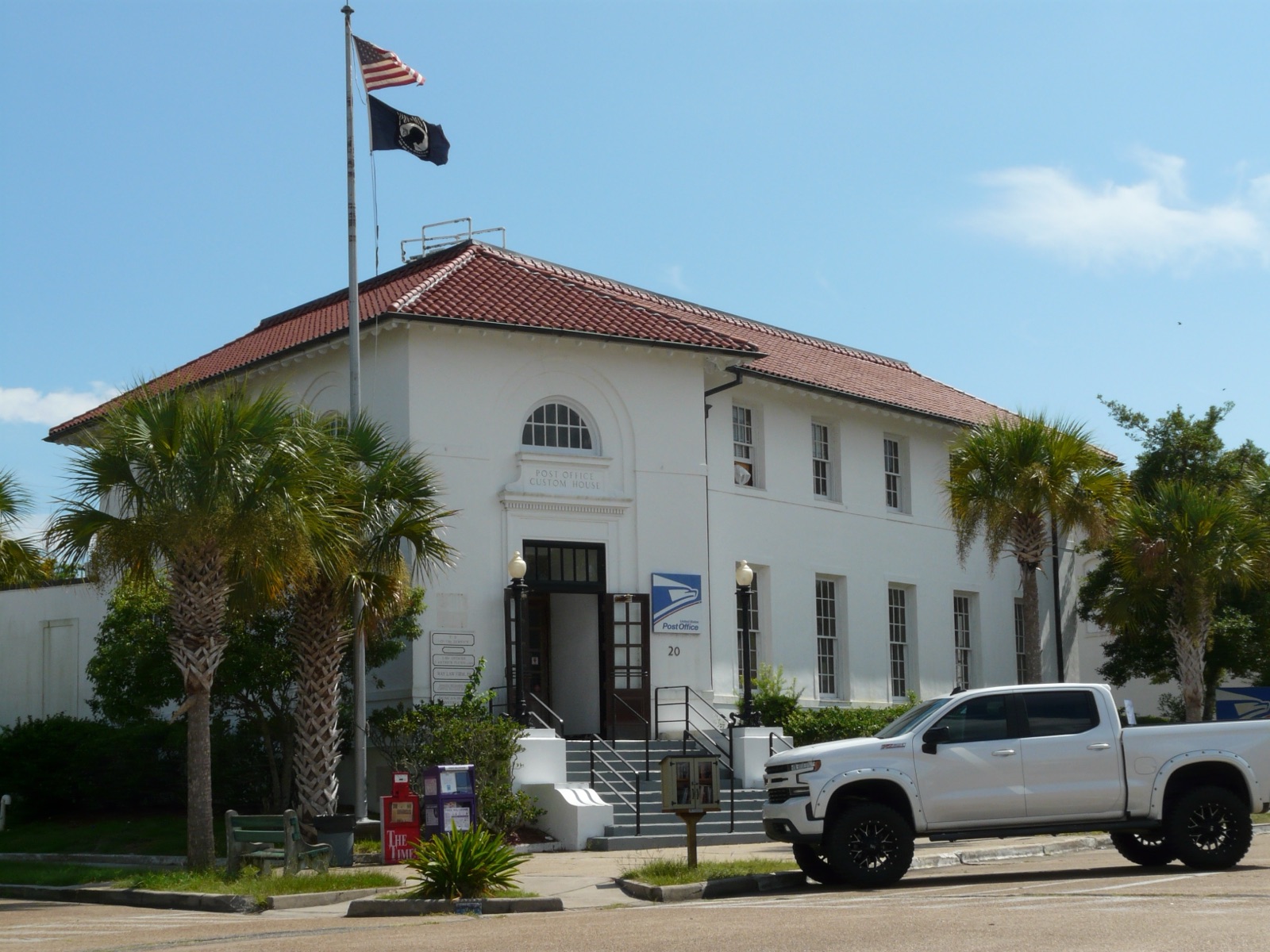
Photo: The Bushranger / Wikimedia Commons (CC BY-SA 4.0)
The Southern Town We Can't Stop Thinking About: Apalachicola
There are towns you visit, and there are towns that follow you home. Apalachicola belongs firmly in the second category.
On paper, it is easy to describe: a small fishing town on Florida’s Forgotten Coast, a few thousand residents, historic brick buildings, working docks, seafood restaurants, and a long relationship with oysters and the bay that shaped them. But none of that explains why people keep thinking about the place long after they have left.
Perhaps it begins with the water. The Apalachicola River arrives here after a journey of more than four hundred miles, spreading into marshes, bays, and tidal creeks before it finally meets the Gulf. Fresh water and salt water spend their days negotiating with each other, and so do the people who make their living here.
For generations, fishermen headed out before sunrise, and oyster boats worked bars that became known throughout the South. The town grew around that rhythm. Storefronts faced the water, churches welcomed fishing families, and restaurants served whatever had come off the boats that day. Down along the waterfront you can still see the old tin-roofed shucking houses, where workers once opened oysters by the thousands, their knives moving so fast the sound became a kind of music. The oyster industry has changed dramatically in recent years, but the town itself has not forgotten who it is.
Walk down Commerce Street and you will still find old brick buildings standing watch over the riverfront. Pelicans patrol the docks, shrimp boats rock gently against their lines, and locals greet one another by name. Nothing feels hurried, and that may be what stays with visitors most.
In much of the modern South, growth has arrived quickly, and familiar places become unrecognizable in a decade. Roads widen, buildings disappear, and new development replaces old stories. Apalachicola has managed to hold onto its sense of self, not because it is frozen in time, but because the town seems to understand that some things are worth carrying forward. A fishing boat tied to a weathered dock. A family-owned restaurant. A river that still shapes daily life. A downtown built for people instead of traffic. These are small things until they disappear, and then they become priceless.
There are prettier towns in the South, and larger ones too, but few places feel quite as honest. Weeks after a visit, you may not remember what you ordered for lunch or which shop sold the best souvenirs. You will remember the river, and the boats, and the feeling that this small corner of Florida still knows exactly what it is.
Keep Reading
Places
Abbeville, South Carolina: The Town Where a Confederacy Began and EndedAbbeville holds a heavy distinction: where the Confederacy was first cheered into being, and where, five years later, it quietly ended.
Places
The Lighthouses of the South, Part Three: The Screw-Pile Lights of the SoundsThe last leg of our lighthouse journey, into the quiet sounds where a stranger light once stood: a little house on iron screws over the water.
Places
The Southern Town We Can't Stop Thinking About: Oxford, MississippiThe students come back, the Square fills up, and Faulkner's ghost keeps a quiet house at the edge of town. This is Oxford, Mississippi.