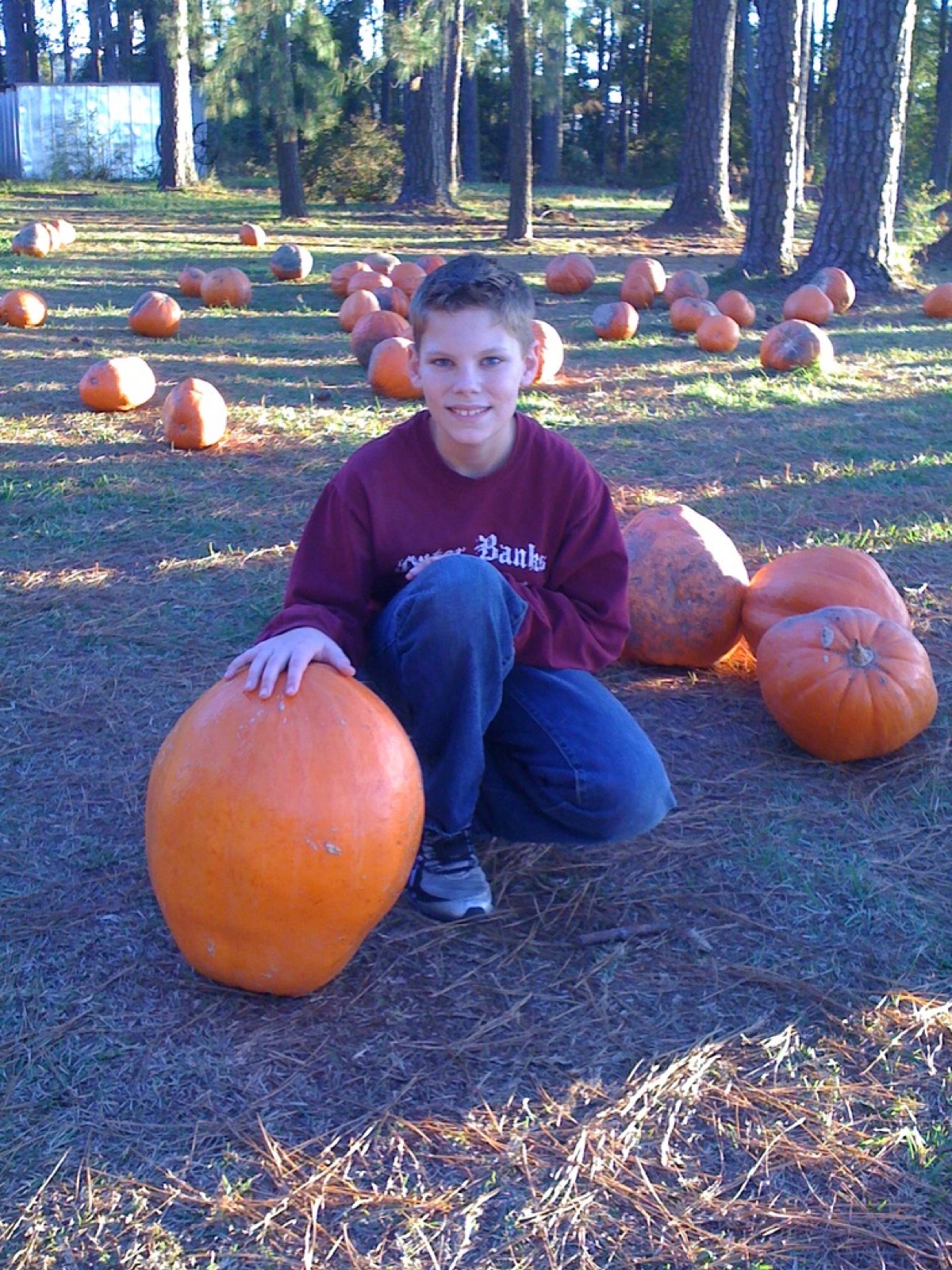
The Best Southern Thing We Saw This Week: The Pumpkin Patch a Family Kept
The best Southern thing we saw this week was a hand-painted sign at the end of a farm road that said PUMPKINS.
Beyond it, a field of orange running to the tree line, and a family out working it, welcoming in half the county to pick their own.
There is a quiet crisis in the rural South that does not make the news. It is getting harder and harder for a family to hold onto a farm. The margins on row crops and cattle have gotten so thin, and the pressure to sell to developers so heavy, that all across the region old family farms worked for generations are being lost. So when we see a family that has found a way to keep the farm together, we take notice.
And more and more, the way they do it is with a pumpkin patch.
The one we saw was a real working family farm that, come October, throws open its gates and becomes the beating orange heart of the whole community’s autumn. It was a joy to behold. Pumpkins, of course, acres of them, and children turned loose to find their own, staggering back to their parents hugging one nearly too big to carry. But there was so much more the family had built up over the years. A hay ride out to the far fields behind a tractor. A corn maze cut into a standing field. Baby goats to pet. Cider and kettle corn and boiled peanuts. Scarecrows and hay bales and a whole photograph-perfect autumn scene, and everywhere, families, laughing, out in the open October air on a real farm.
Here is what moved us, past the plain fun of it.
This was not a theme park pretending to be a farm. This was a farm, a real one, with real dirt and real work behind it, that had figured out how to survive by inviting the public in. The agritourism, as the county-extension folks call it, was not a gimmick bolted on. It had become the thing that lets the farm go on being a farm. The pumpkins and hay rides and corn maze and cider are what keep the land in the family, keep the tractors running, keep the young generation able to imagine a future in the place their people have worked for a hundred years.
The town comes out for its autumn fun, and in coming, it keeps a family on its land. Most of the folks in the corn maze never realize the quiet good they are doing just by being there.
And there is a legacy in it beyond the money. Watch the family that runs a place like this and you will usually see three generations working it. The grandparents at the cash box under the shade. The parents driving the tractor and running the operation. The children growing up in the middle of all of it, learning the farm and the seasons and the work, and learning, just as important, that people will come and pay and be grateful for what their family grows and keeps. That is how a farm gets handed down. Not just the deed, but the love of it, planted young.
The families who come to pick are handing something down too. A whole generation of Southern children is now getting its picture taken every single October on the same family farm, in the same pumpkin field, the ritual of the patch woven right into their childhood. Those children will bring their own children one day. The patch becomes a fixed point in the turning year, a place a whole community returns to every fall as surely as the leaves turn.
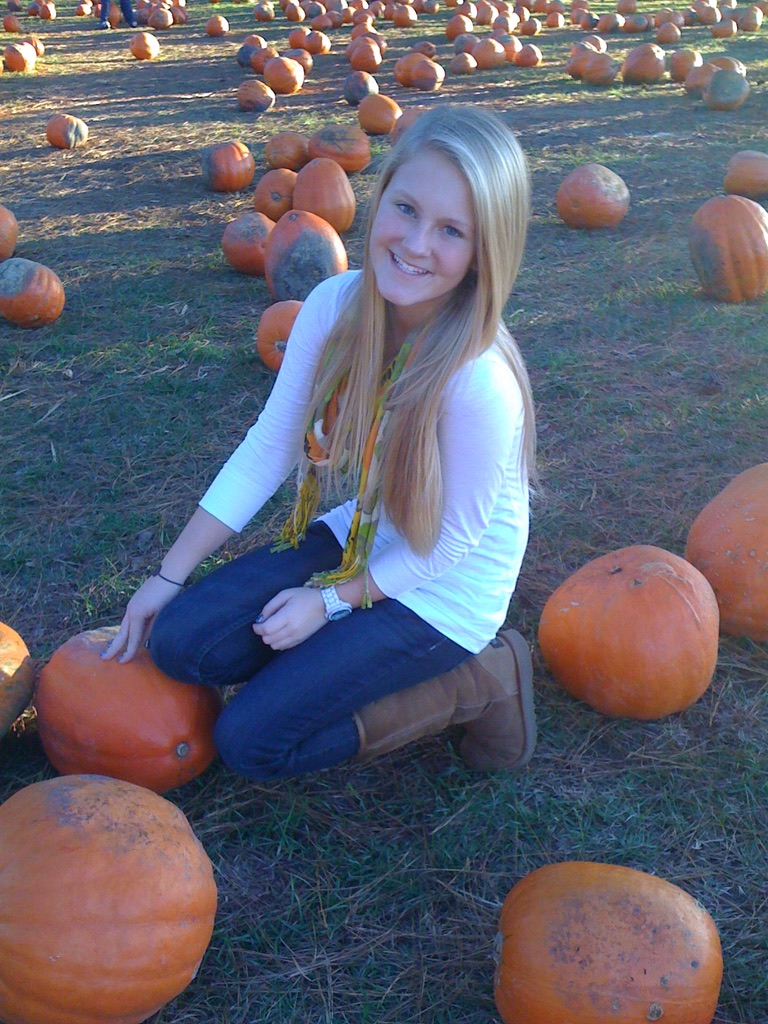
So find one near you this month. Take the children. Pick a pumpkin. Ride the wagon. And know that your afternoon of autumn fun is doing a quiet and beautiful good, helping to keep a Southern family farming the land its people have loved for generations. That is worth a great deal more than the price of a pumpkin.
The South, shared.
Keep Reading
Southern Stories
The Best Southern Thing We Saw This Week: The Community Cannery Still RunningOne of the last community canneries, still open for the fall, still helping neighbors put up the harvest the way their grandparents did.
Southern Stories
The Best Southern Thing We Saw This Week: The Fall Revival Under a TentA tent, some folding chairs, a piano hauled out into the evening, and a whole community gathering to sing as the season turns.
Southern Stories
The Best Southern Thing We Saw This Week: Friday Night LightsA small-town high school football game, where the whole town shows up under the lights and remembers, for a few hours, that it is one thing.