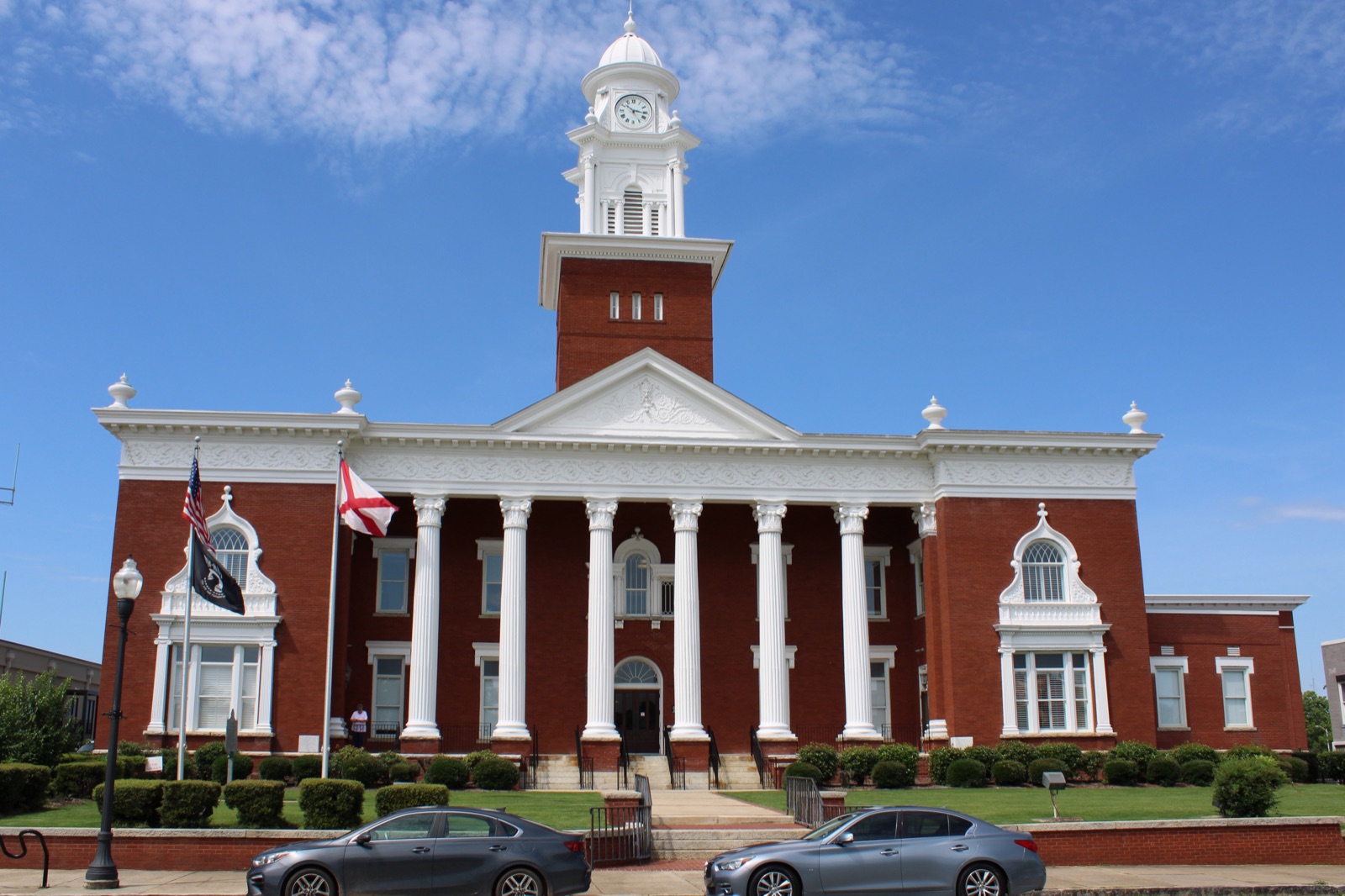
Photo: 2Krunchy / Wikimedia Commons (CC BY 4.0)
The Courthouse Square, and the Town That Grew Around It
Drive into almost any old county-seat town in the South and you will find, sooner or later, that all the streets are trying to take you to the same place.
They bend and they aim and they deliver you, finally, to a square. And in the middle of the square, raised up on a little rise of grass, ringed by shade trees and a low iron fence and a monument or two, stands the courthouse. Brick, usually, with white columns and a clock tower and a wide set of steps. It is the tallest thing in town, or close to it, and everything else, the hardware store, the bank, the drugstore, the cafe, the lawyers’ offices, arranges itself around it in a hollow square, storefronts facing inward, looking at the courthouse the way pews face an altar. This is not an accident. It is a plan, repeated across the South thousands of times, and once you see it you cannot unsee it.
The courthouse square is one of the oldest pieces of town-making in America, and it says something about how these places understood themselves. The town did not grow up around a factory or a harbor or a crossroads of pure commerce. It grew up around the seat of the law and the place of public gathering, the building where deeds were recorded and disputes were settled and the county’s business, dull and vital, got done. The square put that building at the literal center of everything and pointed the whole town at it. Where you placed the courthouse told you what a town believed it was for.
The shape of the day
The genius of the square was that it made the courthouse the center of ordinary life, not just official life.
Because the storefronts all faced inward onto the same open space, the square became the town’s living room. It was where you parked and did your errands, where the farmers came on Saturday to sell and to trade and to stand around talking, where the men whittled on the benches and the women moved shop to shop and the children ran the grass in the middle. Court day, when the judge came to town, was a kind of festival, drawing everyone in from the county to watch justice done and to do their business while they were at it. The square was commerce and government and gossip and courtship all folded into one open-air room, with the courthouse standing in the middle of it like a stone reminder of why the town was there at all.
It worked because it was walkable and it was concentrated. Everything a person needed was on four sides of one square, a few minutes’ stroll from any corner to any other. You could not help but run into your neighbors, because the town was built so that everyone funneled through the same small space. That was not a bug. That was the whole idea. The square manufactured the daily encounter, the accidental meeting, the sense that you lived among people you knew.
What the square still does
A lot of these squares had a hard century. The shopping mall pulled the stores out to the highway. The big-box store pulled them further. For a long stretch, the courthouse square in a lot of Southern towns went quiet, the storefronts papered over, the benches empty, the whole beautiful arrangement standing there like a set after the show has closed.
But here is the thing about a courthouse square. It was built too well and pointed too purposefully to disappear. The courthouse is still there, still doing the county’s business, still the tallest thing in town. The buildings around it are still handsome, still facing inward, still holding the shape of a place that was made for people on foot. And in town after town across the South right now, the squares are coming back, because people rediscovered that the old arrangement was simply better, that a town with a center is a town with a heart, and that no highway strip of parking lots will ever give you what a courthouse square gives you, which is the feeling of being somewhere, in the middle of something, among your own.
Walk one on a Saturday morning where the town has kept it up, and you will feel it. The coffee shop where the hardware store used to be. The old men still on the benches. The courthouse clock still keeping the town’s time. It is the same room it always was, built by people who understood that a town needs a place where everyone comes together, and who had the good sense to put it right in the middle and point everything at it.
They knew what they were doing, those old town-makers. They built the gathering place first, and let the town grow up around it, facing in. We are lucky they did. A square is a hard thing to build now and an easy thing to love, and the South is full of them, waiting at the center of their towns for anyone who takes the road that leads, as all the roads in those towns eventually do, back to the courthouse.
The South, shared.
Keep Reading
Southern Stories
The Last of the Whole-Hog PitmastersCooking a whole pig over wood coals from dark to dawn is one of the oldest crafts in the South, and one of the fastest disappearing.
Southern Stories
The Last of the Water-Powered MillsA creek, a wheel, and two stones once ground a community's cornmeal. A few of those mills still turn, and the meal they make tastes like nothing from a bag.
Southern Stories
The Sweetgrass Basket Makers of the LowcountryA craft carried across an ocean and kept alive for three hundred years, coiled one blade of grass at a time.