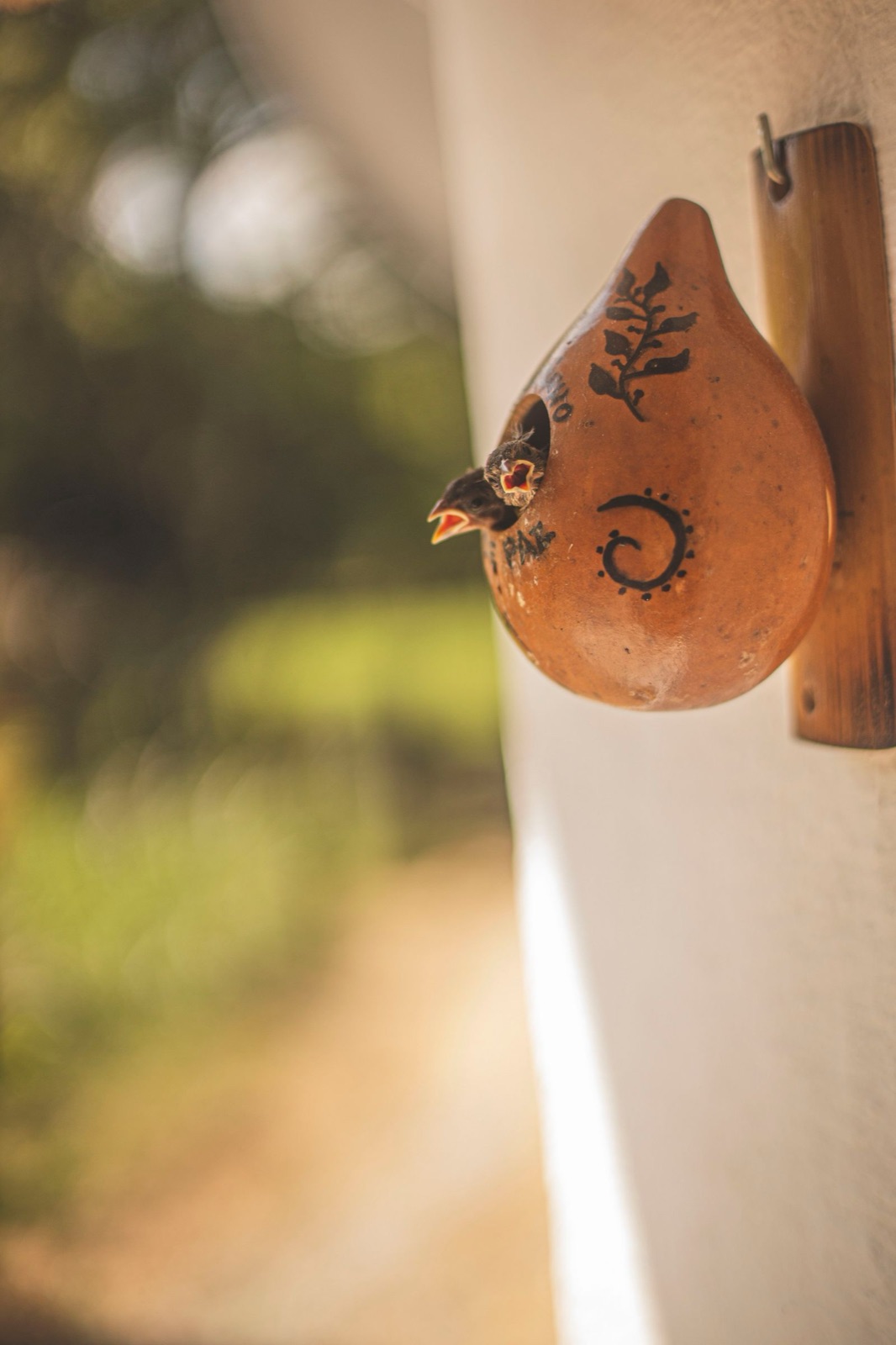
Photo: Dalila Dalprat / Pexels
The Gourd Artists, and the South's Oldest Halloween
Before the pumpkin, there was the gourd.
Just before Halloween, when the whole country is busy carving pumpkins, it is worth remembering there is an older gourd in the Southern story, and a craft built around it that goes back longer than almost anything else we make down here. Meet the gourd artists of the South, who take a humble dried gourd and turn it into everything from a birdhouse to a work of fine art, keeping alive one of the oldest and most useful crafts on the continent.
The gourd is one of humanity’s most ancient companions. Long before the pumpkin came to matter, people across the world, and certainly across the South, grew hard-shelled gourds for one simple reason. Dried out, a gourd becomes a natural container. A tough, light, woody vessel, grown rather than made. Before there was cheap pottery in every cabin, before glass and tin and plastic, the gourd was the dipper by the well, the bowl, the bottle, the storage jar, the birdhouse in the yard. Southern gardens grew gourds as a matter of course, because a patch of gourds was a season’s worth of free containers, and folks knew exactly how to dry them and cut them and put them to use.
The craft begins in the garden, and it demands patience.
You grow the gourds through the summer. Then, and this is the part that tries a person, you dry them, which takes months. A gourd cannot be rushed. It hangs or sits through the fall and winter, slowly, sometimes going moldy and ugly on the outside as it cures, until at last it is bone dry and light and hard as wood, the seeds rattling loose inside. Only then, half a year or more after it was picked, is it ready to become anything. The gourd artist plays a long game.
But then the fun begins, and the range is remarkable. At the plain useful end, there is the gourd birdhouse, a Southern-yard classic going back centuries. The purple martins that Southerners prize for eating mosquitoes have been nesting in hollowed, hung gourds since long before anybody sold birdhouses in a store, an old partnership between people and birds, brokered by a dried gourd. At the artful end, gourd artists turn the humble shell into genuine fine craft, cutting and carving intricate patterns into the hard skin, wood-burning designs into it, dyeing and staining and painting it, turning gourds into bowls and vases and lamps and masks and sculptures, working the natural shape and color of each one into something no two of which are ever alike.
And here, at the end of October, the gourd has its darker, older moment.
The gourd was the original jack-o’-lantern. Long before the big orange pumpkin became the standard American canvas for a carved and lit face, people were carving faces into gourds and other hard-shelled squashes, setting a light inside, using them just as we use the pumpkin now, as lanterns and as guardians against whatever the dark of the year might bring. The gourd is Halloween’s real elder. The pumpkin is a newcomer to a job the gourd was doing first. So the Southern gourd artist who carves a fierce little face into a dried gourd this time of year is not doing a novelty. They are practicing the oldest form of the very tradition the whole country celebrates.
There is a lesson in the gourd I keep coming back to, the same quiet lesson that runs through so many of these old Southern crafts. Usefulness, patience, making much of little. A gourd is free. It grows on a vine in the dirt. It asks only that you wait for it, months and months, while it cures in a shed. And then a patient, skilled hand can turn that free, humble, dried-up thing into a home for the birds, a dipper for the well, a work of art for the wall, or a carved and glowing face to light the oldest night of the year. Nothing wasted. Everything made the most of. Beauty and use coaxed out of a garden weed by patience and skill. That is about as Southern a philosophy as I know.
So this Halloween, by all means carve your pumpkin. But tip your hat to the gourd, the elder, the original, and to the artists who still grow it and dry it and carve it and paint it, keeping one of the oldest crafts in the South alive. Look for their work at the fall festivals and folk-art fairs. Hang a gourd birdhouse for the martins come spring. And know, when you set your carved pumpkin glowing on the porch this week, that Southern hands were carving glowing faces into dried gourds for that very same purpose long, long before the first pumpkin ever took the job.
The South, shared.
Keep Reading
Southern Makers
The Face Jugs of the Southern HillsThe face jug is one of the South's strangest folk objects: a pottery vessel with a wild, grimacing face. Deep roots, and potters keep it alive.
Southern Makers
The Chair Caners, and the Seats That Outlast UsA caned seat wears out in a generation, but a good caner makes it whole again, weaving through the same holes his grandfather's chairs used.
Southern Makers
The White Oak Basket Makers of AppalachiaA few mountain hands can still turn a living white oak into a basket that outlasts its maker. It begins not with weaving but with a tree.